


01
Uptime
Checks service health, confirms known failure states, records incidents, and sends the right evidence into the escalation path.
Observe · verify · escalate
WhiteLabel is not an experiment. The same Lahore team behind CalendarJet, MamaSign, WittyForms, MoonPush, and HiringCat builds, configures, launches, and supports your agency client portal.
The team behind WhiteLabel has already built and operates CalendarJet, MamaSign, WittyForms, MoonPush, and HiringCat. That matters because a client portal is not just a screen. It needs deployment, branding, onboarding, support, QA, and infrastructure discipline.
The DAWN story is included for one reason: Pakistani software teams can compete in serious global software conversations. We are not claiming WhiteLabel is Cursor. We are showing the standard we work toward.
For WhiteLabel customers, the practical promise is simple: we configure your brand, domain, workspace structure, migration path, users, and launch checklist with people who have shipped real products before.

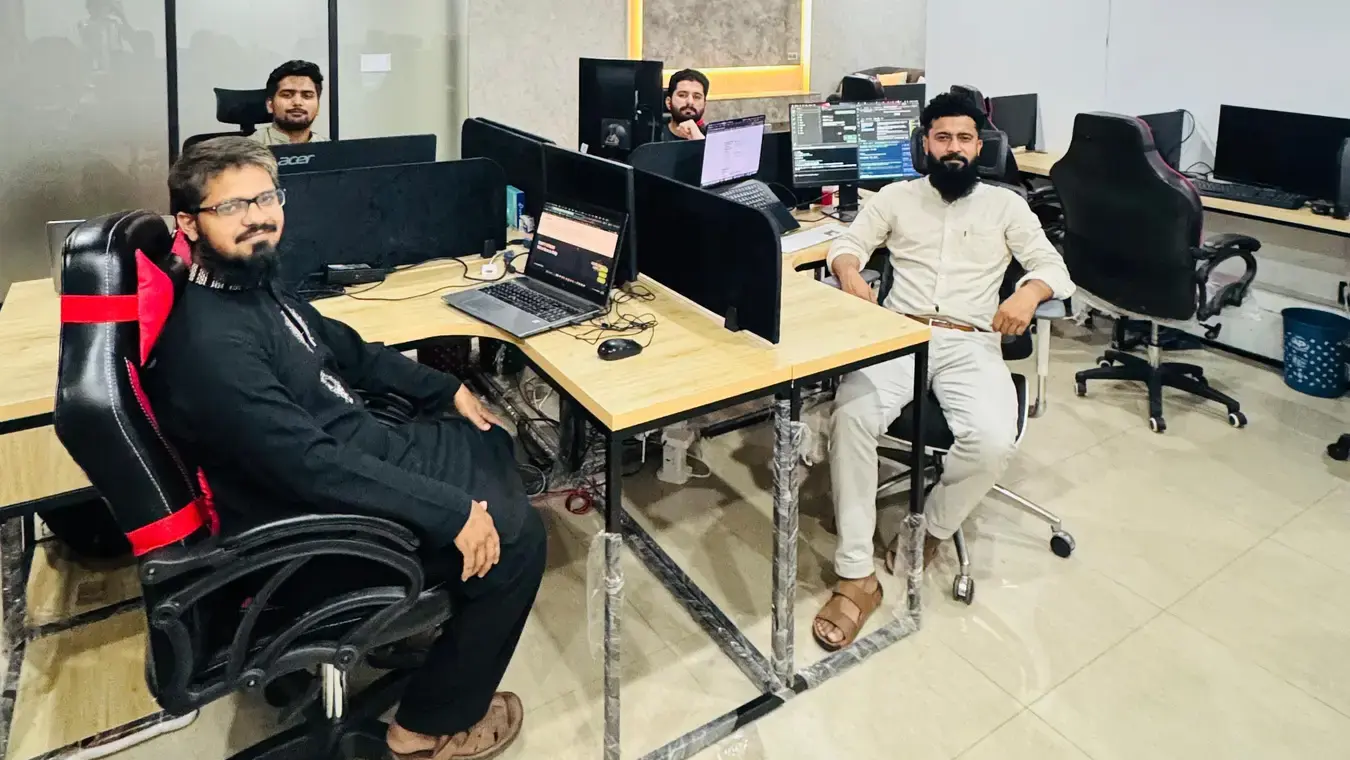
THE LAHORE WORKSPACE WHERE PRODUCT, IMPLEMENTATION, SUPPORT, AND GROWTH WORK MEET: C31-15, MAIN BLVD, NEXT TO JALAL SONS, LAKE CITY.
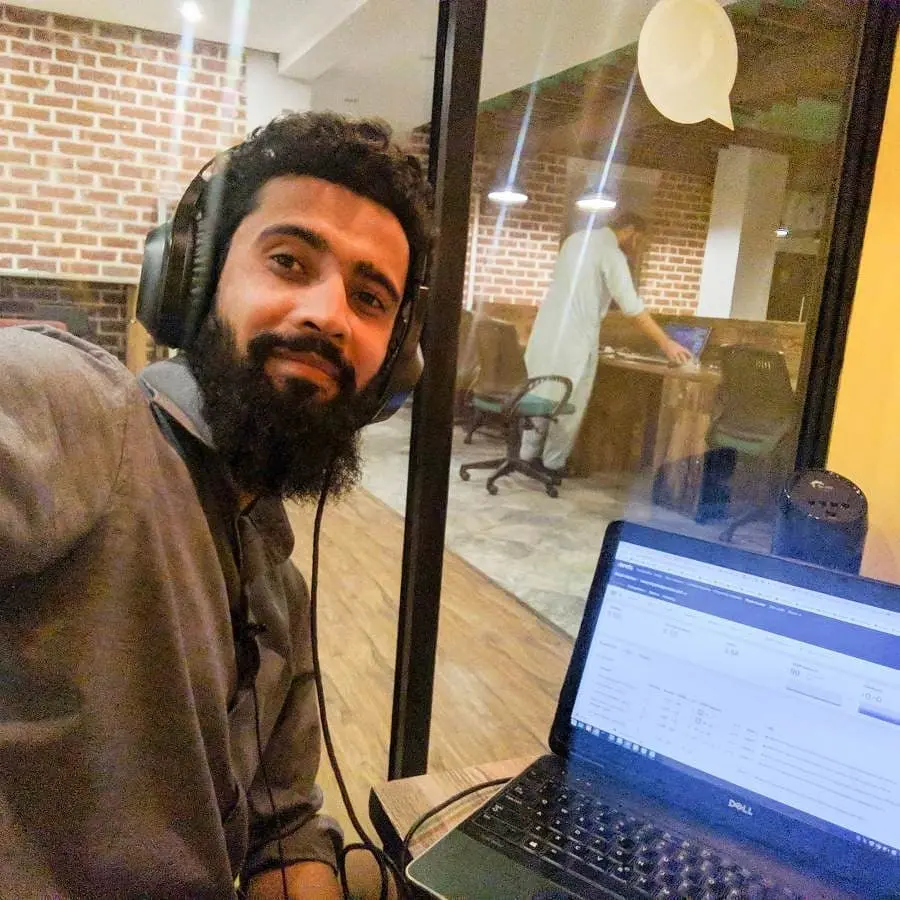
M. Aamir Mursleen has worked in SEO since 2015, moving from publishing and agency delivery into product operations. His work has appeared publicly through Semrush and Ahrefs, years before AI search became the default industry conversation.
That background matters to WhiteLabel because the product is not built in isolation. It is shaped by the daily reality of managing client requests, deadlines, files, approvals, reporting, support, and software costs inside service businesses.
The operating principle is simple: use the product on real work, remove avoidable complexity, and keep the team close enough to customers to see where delivery breaks.
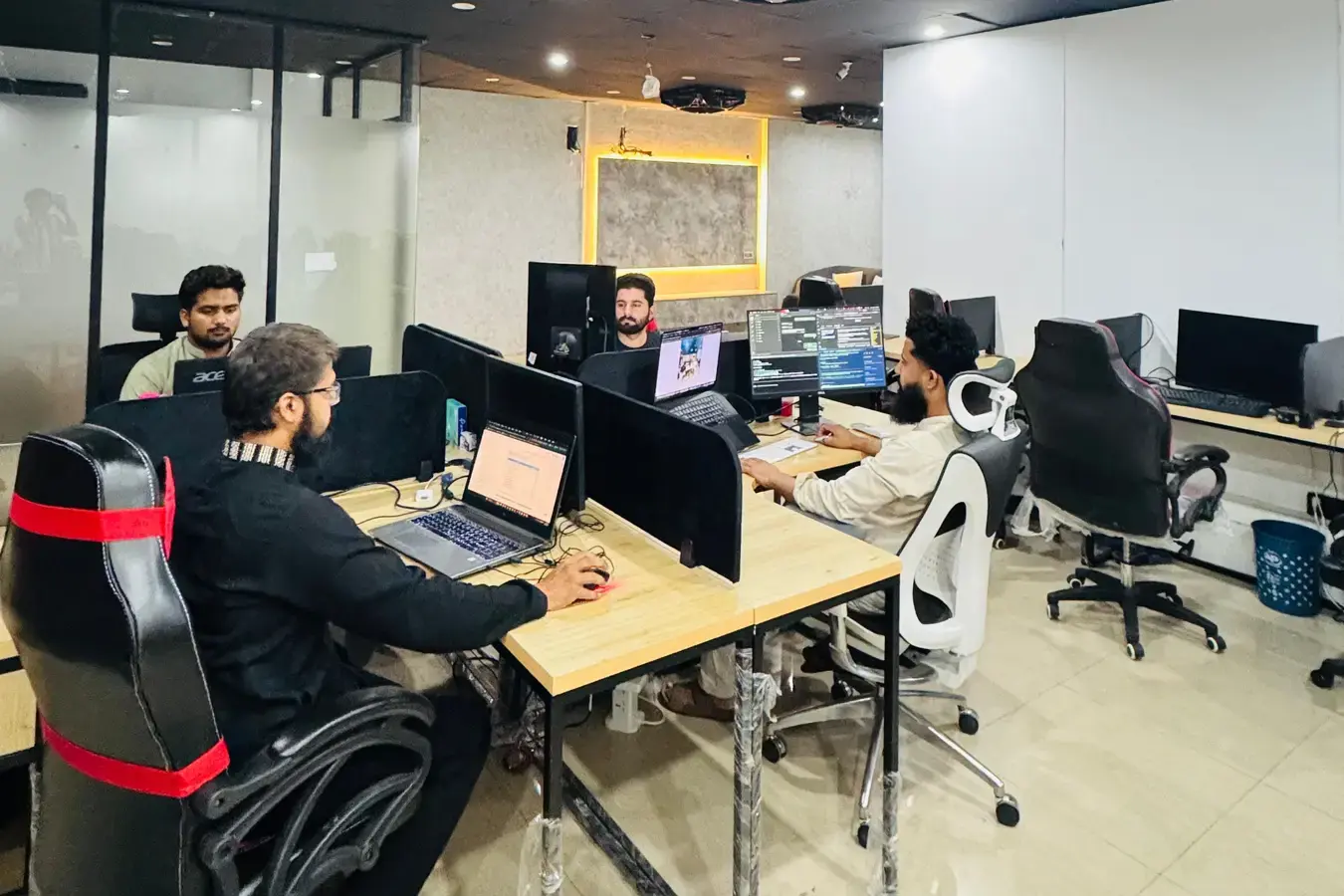
The wider product team is nine people, not a faceless software company. Customers get a small team that knows the product, the setup process, and the agency workflows WhiteLabel is built to support.
WhiteLabel benefits from the same operating engine used across five live products. Shared systems help us move faster, while every client portal still gets its own branding, domain, workspace structure, users, and deployment decisions.
That is the trust point: the people selling the portal are also the people who understand how it is built, configured, tested, and launched.
The same product group has shipped scheduling, e-signature, form, file-sharing, and hiring tools. That experience is why customers can trust WhiteLabel to be configured, tested, and supported by people who have done this before.
AI-native scheduling with custom domains, bookings, and calendar connections.
Electronic signatures, document workflows, audit trails, and tamper-evident PDFs.
An AI-assisted form builder for branded forms, responses, and lead collection.
End-to-end encrypted file sharing with instant links and agent-ready APIs.
AI-assisted hiring from job applications and CV screening to a booked shortlist.
Portfolio names and scope verified against the authorized Engine story and each product's public website.
WhiteLabel is delivered as a working client portal, not a folder of software and instructions. The team handles the standard deployment path, branding, custom domain, client-workspace structure, and onboarding.
We map how you sell, onboard, deliver, review, and report client work.
We apply your brand, domain, workspace structure, access model, and supported migration plan.
Human onboarding closes the gap between a configured product and a team that can use it.
The team's AI work started with language analysis and content systems, then moved into generation, workflow assistance, and operational agents. WhiteLabel inherits that discipline: automate a defined job, preserve human control, and measure whether the automation actually helps.
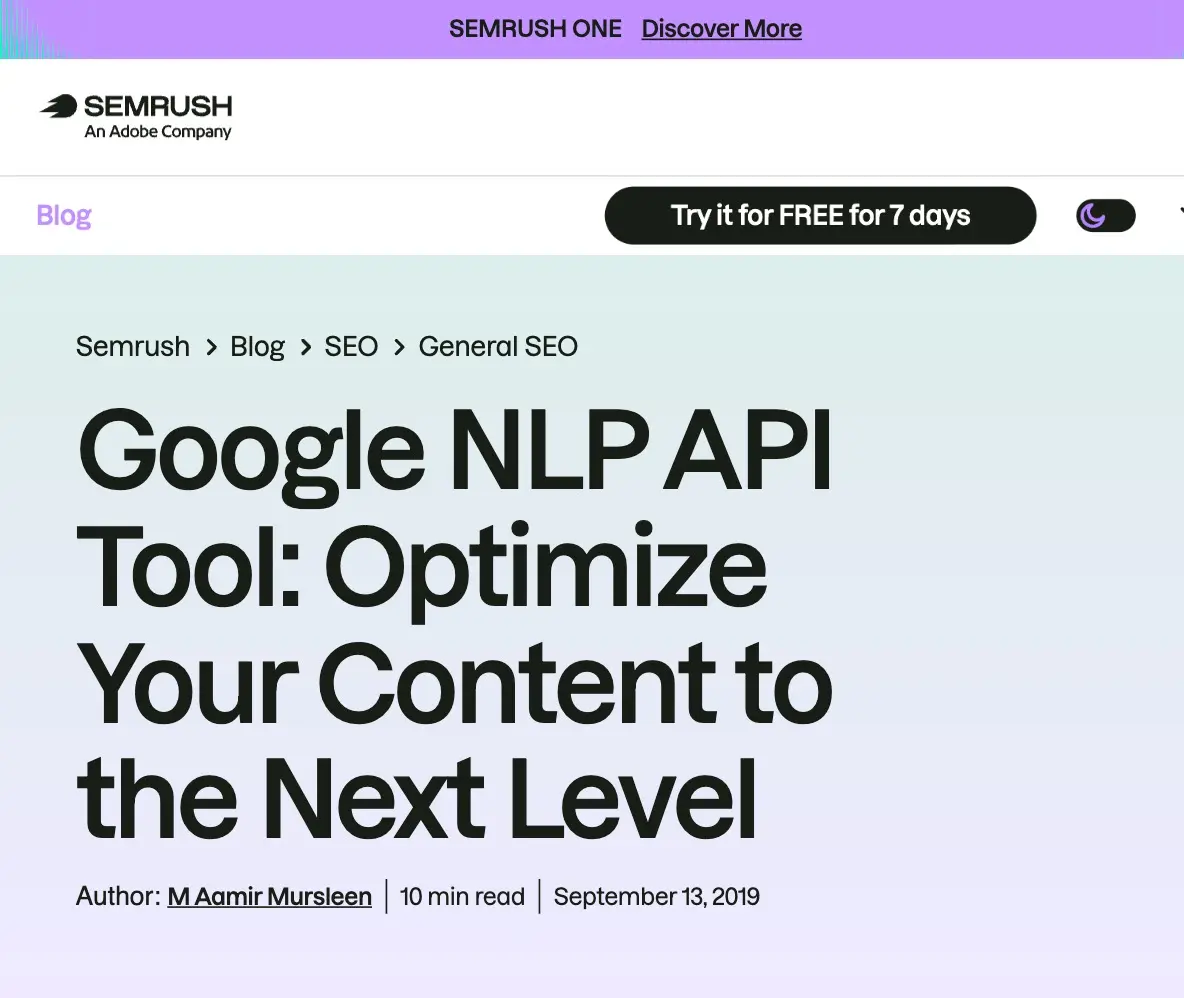
A documented content-optimization workflow using Google's Natural Language API, published by Semrush.
Early generation systems tested where language models could remove repetitive production work.
Hands-on product use during the period that became Jasper, before generative AI entered routine agency workflows.
Purpose-built monitoring and workflow assistance with explicit triggers, escalation paths, and human ownership.
AI capability varies by implementation. WhiteLabel does not treat an experimental model or an unsupported workflow as a standard product feature.
WhiteLabel is backed by people and systems, not just a landing page. The wider product operation uses dedicated Hetzner hardware, Proxmox virtualization, isolated workloads, CrowdSec monitoring, firewall controls, and separate backups.
That operating background helps the team make better deployment decisions. Customer portals still need the right server, storage plan, backup policy, maintenance agreement, and support scope.
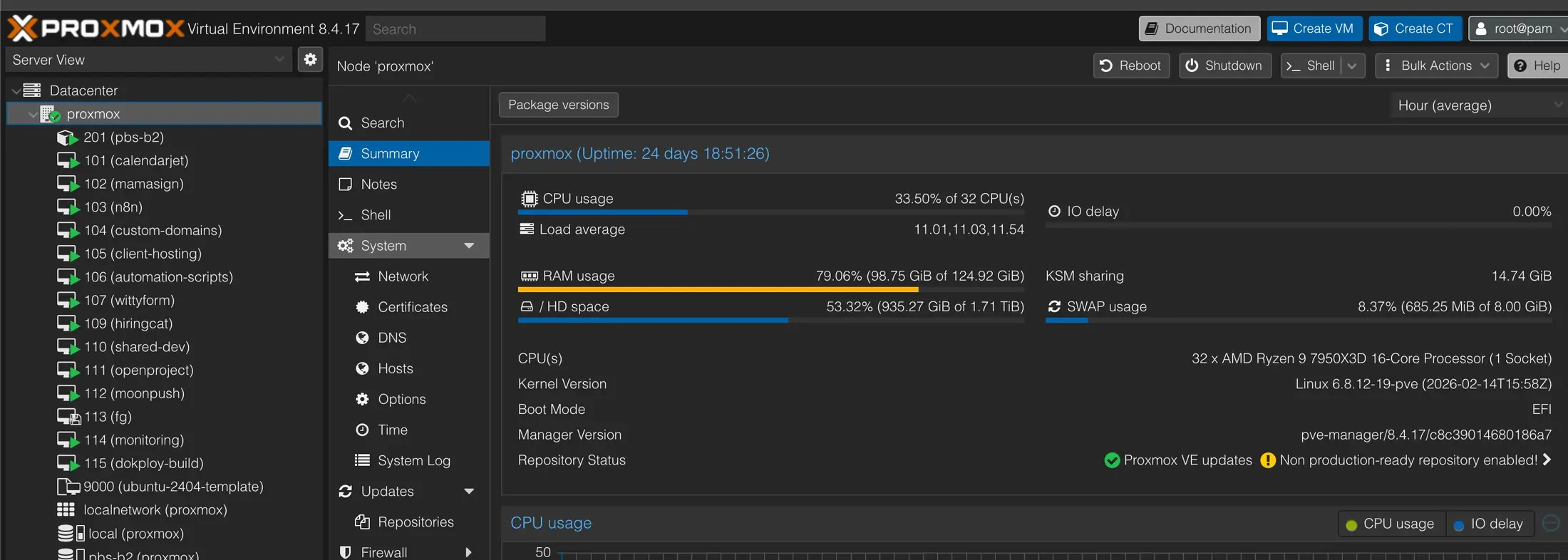
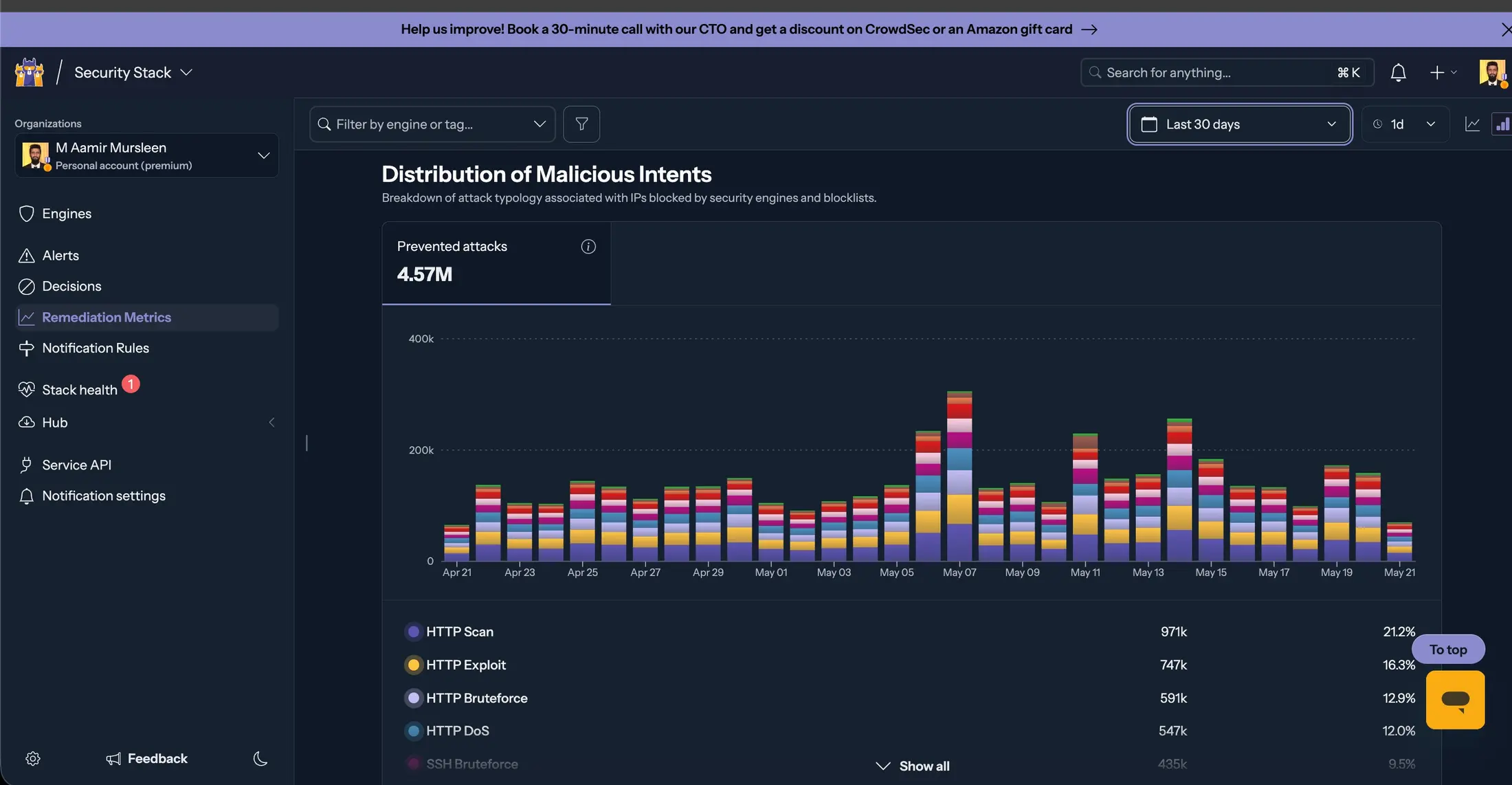
These are wider-engine operating specifications, not a promise that every WhiteLabel customer receives this exact machine. WhiteLabel hosting, storage, backups, maintenance, and continuing support are scoped separately from the lifetime software fee.
Not a claim of round-the-clock human support. These are focused operational agents that watch known signals, perform bounded checks, and escalate evidence to the people who remain accountable.
Checks service health, confirms known failure states, records incidents, and sends the right evidence into the escalation path.
Watches capacity and backup signals so storage pressure appears as an actionable operating event, not a surprise outage.
Surfaces suspicious access and CrowdSec signals, keeps an evidence trail, and routes exceptions for human review.
Repeatable observation, checks, evidence collection, and routing.
Judgment, customer communication, exceptions, and irreversible decisions.
A more observable operating system, within their agreed hosting and support scope.
Five products do not become efficient because nine people simply work longer. The advantage comes from shared infrastructure, reusable deployment patterns, focused agents, productized onboarding, and open-source foundations where they are the right tool.
One operating discipline supports a wider product portfolio.
Direct visibility into infrastructure, security, and recovery.
Agents absorb repeatable checks while people keep judgment.
A standard deployment path reduces avoidable implementation work.
The software license is not metered per user, workspace, or project. The agency can package the portal into client services and keep its margin. Hosting, storage, backups, third-party services, custom work, and ongoing support are separate scopes.
Agencies routinely pay recurring seat fees for software that sends clients into somebody else's brand. WhiteLabel changes that relationship. The portal carries the agency's identity, domain, workspace structure, and client-delivery process.
The agency decides how to package the portal, what to charge, and how it supports the retainer. WhiteLabel provides the software and standard implementation path without a per-user WhiteLabel license fee.
Unlimited workspaces, users, and projects are unlimited by software license. Hosting capacity and fair-use limits are agreed before launch.
We separate included software, hosting, support, third-party services, and custom work.
A person helps configure the standard portal and onboard the agency team.
Capacity, fair use, storage, and infrastructure boundaries are disclosed before launch.
Sales and implementation conversations start through the lead form, then continue by WhatsApp with the team.
The founder history, wider product-engine details, and original team photography were first documented in The Engine. This WhiteLabel page uses those materials with permission and narrows them to the people and systems relevant to this product.
Read the original Engine story →